 CrazyGaming
Running Games
Running games focus on forward movement through environments with minimal player input. They often emphasize rhythm and timing over complex control schemes. Players typically guide a character across obstacles to reach a distant goal. These games usually feature continuous action and simple visual cues for running games.


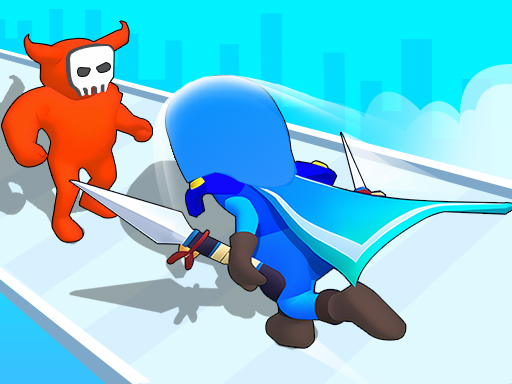



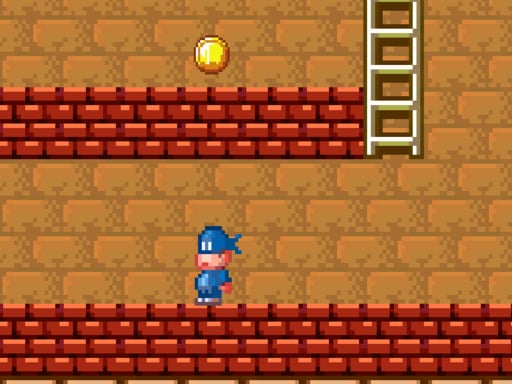







Getting Into running games
Steadily guide the character forward while avoiding obstacles and collecting items to progress through the environment.
Core Experience
The core loop involves watching the character move automatically while the player triggers jumps or slides at the right moment. Success depends on predicting the path ahead and reacting to visual cues without stopping the forward momentum. This style creates a steady flow of action where the primary goal is to survive as long as possible while maintaining speed. Players often encounter basic hazards like gaps and barriers that require timed inputs to bypass. The experience is defined by constant movement and the need for precise timing. Many titles in this category feature endless runner games for extended play sessions. The core mechanic is often found in mobile runner games designed for short bursts of play.
Pro Advice
Focus on timing jumps and slides rather than trying to control speed directly. Practice recognizing obstacle patterns early to maintain a smooth flow through the level. Instead of panicking when obstacles appear, wait for the correct moment to act. Consistent input timing is more valuable than rapid reactions in these games. Mastery comes from repetition and learning the rhythm of the environment. This approach is key for arcade running games.
running Facts
Q: What are the typical controls? A: Taps or key presses for jumps and slides.
Q: What is the main objective? A: Avoid obstacles and travel as far as possible.
Q: Is there a specific story? A: Not stated.
Q: What is the core mechanic? A: Automatic forward movement with timed player actions.