 CrazyGaming
Online Crazy Chess Games
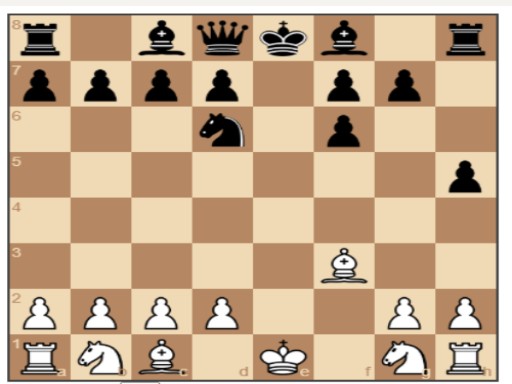
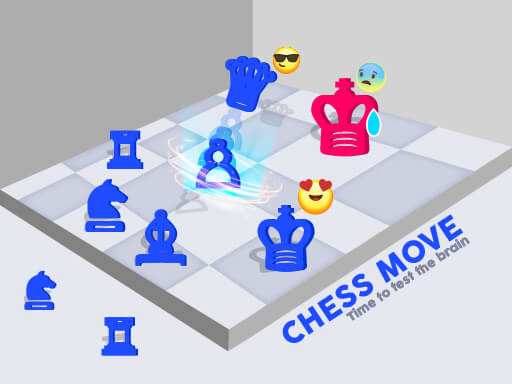
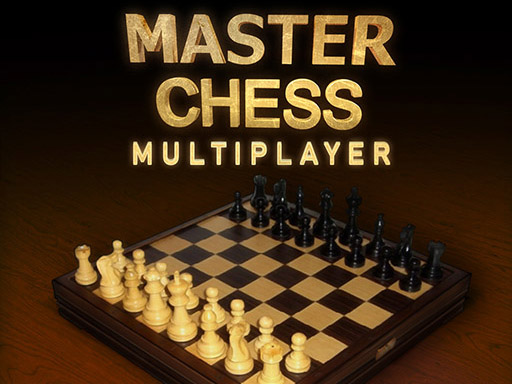
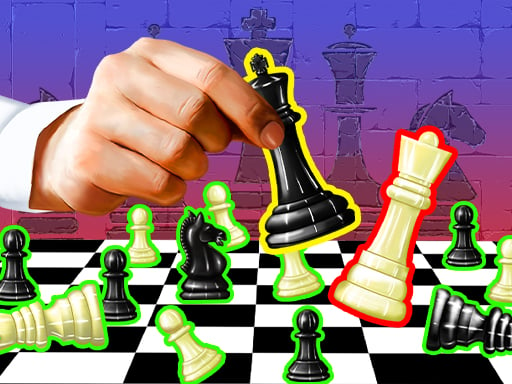
Online crazy chess games games present a chaotic and fast-paced reinterpretation of the classic board game format for digital players. The core objective remains to capture the opponent's king while navigating unpredictable rule modifications and time constraints. Players manage multiple boards simultaneously or deal with randomized piece movements that alter standard strategies significantly. This category of online crazy chess games offers a distinct departure from traditional slow-paced matches.



Getting Into online crazy chess games games
Steadily place pieces and capture opponents to reach the king while adapting to chaotic rule sets and rapid turn limits.
Core Experience
The gameplay loop centers on rapid decision-making where standard chess tactics are constantly disrupted by random events and altered board geometries. Players must adapt their strategy on the fly as the environment shifts, making every move a test of improvisation rather than memorization. This creates a dynamic experience where the focus is on reacting to immediate board states and surviving the unpredictable nature of the match. The inclusion of multiplayer chess games and browser chess games enhances the accessibility and social aspect of this chaotic genre.
Pro Advice
Observe the board state carefully before committing to any move sequence in these fast-paced environments. Prioritize controlling the center squares whenever possible to maintain flexibility against unexpected piece placements. Use the clock management feature to force errors from opponents who struggle with the rapid pace. Instead of relying on memorized openings, focus on developing pieces quickly to adapt to the chaotic rules.
online crazy chess games Facts
Q: What are the primary controls? A: Mouse clicks or touch inputs to select and move pieces on the board.
Q: What is the main objective? A: Capture the opponent's king while adapting to chaotic rule modifications.
Q: Is there a specific story? A: Not stated.
Q: What defines the gameplay? A: Rapid decision-making with randomized piece movements and altered board geometries.