 CrazyGaming
Memory Games
Memory games are digital activities focused on recall and pattern recognition. Typically they involve matching pairs of hidden items within a grid layout. The core loop requires the player to flip cards and remember their positions for subsequent turns. This genre tests short-term retention and concentration through repetitive visual matching sequences using simple memory card games.












Getting Into Memory games
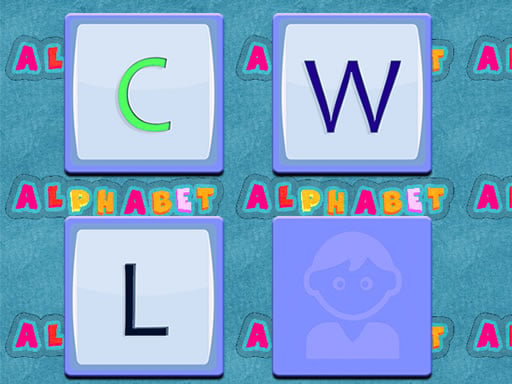
Steadily flip tiles to reveal symbols and memorize their locations to match pairs.
Core Experience
The primary mechanic involves revealing hidden items and storing their positions mentally for later retrieval. Players must manage a limited field of view while tracking multiple potential matches across the board. Successful completion of a memory match game session relies on consistent focus and systematic scanning of available information. This process defines the standard matching games loop. The experience is often solitary and requires sustained attention without external pressure or time limits. This structure is typical for puzzle games centered on cognitive tasks.
Pro Advice
Focus on one section of the grid at a time to reduce cognitive load. Avoid rushing moves because careful observation leads to more reliable recall over time. Instead of random guessing, try to establish a mental map of revealed symbols during play. This method improves performance in standard brain training games by reinforcing spatial memory.
Memory Facts
Q: What are the typical controls? A: Inputs usually involve clicking or tapping to select and flip cards.
Q: What is the main objective? A: The goal is to find and match all identical pairs of hidden items.
Q: Is there a stated narrative? A: Not stated, the genre generally focuses on mechanics over story.
Q: What is the core mechanic? A: The core mechanic is memorizing the location of revealed symbols to find matches.