 CrazyGaming
Match3 Games
Match3 games involve swapping adjacent tiles to form lines of three or more identical symbols. This core mechanic defines the genre across countless digital implementations. Players engage in a repetitive yet often satisfying loop of matching. The genre is known for its accessibility and simple premise. These games are a popular form of mobile puzzle games.















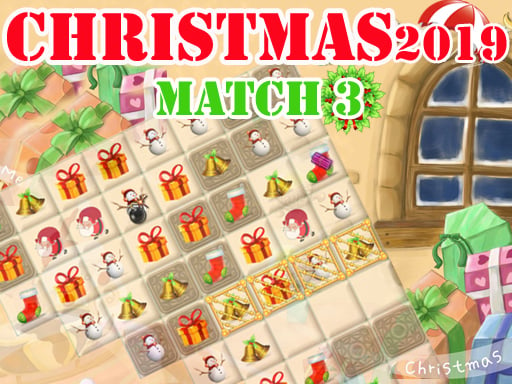





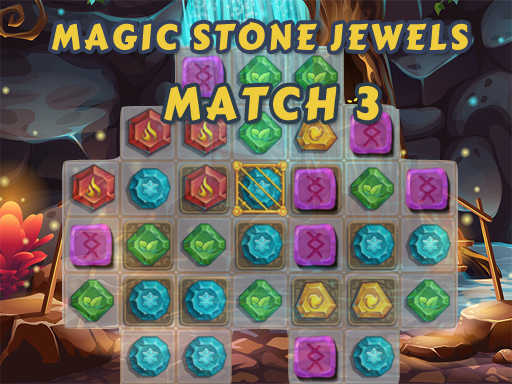

Getting Into Match3 games
Steadily players swap adjacent pieces to create lines of three or more identical symbols for match three games.
Core Experience
The primary interaction involves swapping two adjacent tiles to align three or more of the same type, causing them to disappear. This action triggers a cascade where new pieces fall from the top to fill the empty spaces. The constant cycle of matching and refilling is the central gameplay loop. This process creates opportunities for chain reactions and higher scores. The core objective is to clear the board or achieve a target score. The visual feedback of tiles vanishing provides a clear sense of progress. This is the essence of tile matching games. Players often seek to create larger matches for bigger effects. The genre frequently includes special pieces that clear rows or columns. This defines the overall brain training games category.
Pro Advice
Focus on making matches at the bottom of the grid to influence the falling pieces more effectively. Planning several moves ahead can help set up large chain reactions. Instead of random swaps, look for patterns that will create new matches automatically. Always consider the potential of creating special tiles for casual arcade games.
Match3 Facts
Q: What are the typical controls? A: Swapping adjacent tiles is the standard input method.
Q: What is the main objective? A: The main objective is to align three or more identical pieces.
Q: What happens when a match is made? A: Matched pieces are removed and new ones fall from above.
Q: What is the core mechanic? A: The core mechanic is the tile swapping and cascade system.