 CrazyGaming
Learning Games
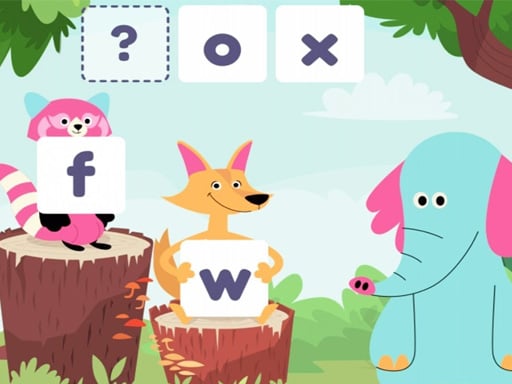
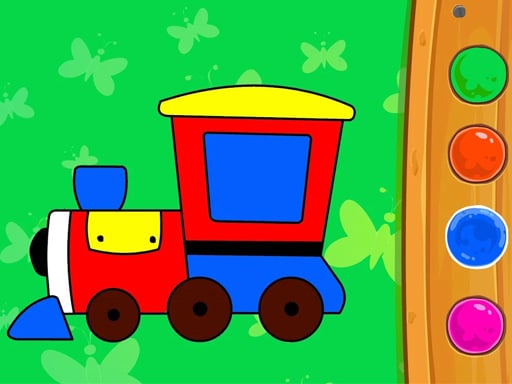
Learning games present a digital environment for acquiring knowledge through interactive tasks. They often focus on subjects like math, language, or logic through structured activities. The genre typically uses simple input methods to make participation accessible to a broad audience. These educational games for kids serve as a tool for reinforcing concepts outside traditional settings.






















Getting Into learning games
Steadily engage with the presented material by following on-screen prompts and completing the given tasks to progress through the content.
Core Experience
The core loop usually involves reading or listening to information before answering questions or manipulating objects to demonstrate understanding. Players interact with the system using mouse clicks or touch inputs to select answers and move items around the screen. Success is measured by accuracy and completion of the educational modules rather than speed or competition. This approach defines the experience of interactive learning games. The activities often mimic real-world tasks like sorting or counting to build practical skills. Many online learning games provide immediate feedback on actions to guide the user toward the correct solution.
Pro Advice
Focus on the feedback provided after each action to understand mistakes immediately. Take your time with the presented problems instead of rushing through them to ensure accuracy. Use the repetition of tasks to build familiarity with the concepts being taught. Remember that knowledge games are designed to be approached at a comfortable pace.
learning Facts
Q: What are the typical controls? A: Clicking or tapping to select and place items.
Q: What is the main objective? A: To learn and apply new information correctly.
Q: Is there a specific story? A: Not stated.
Q: What is the primary mechanic? A: Answering questions or completing educational tasks.