 CrazyGaming
Easy Crazy Match 3 Games
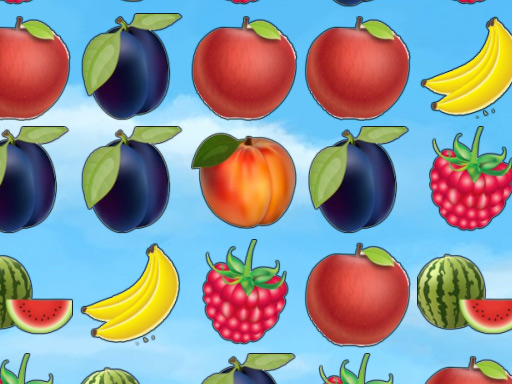
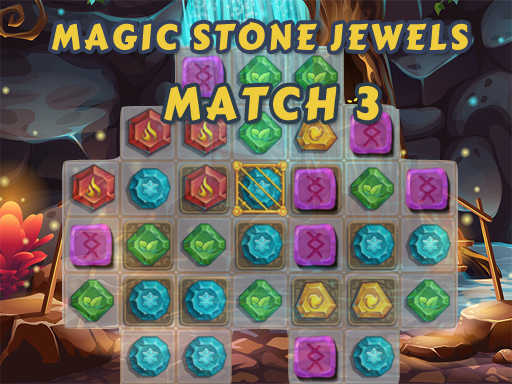
Easy crazy match 3 games games operate on simple grid-based systems where players swap adjacent tiles to create lines of three or more. The genre focuses on rapid, low-stress sessions with minimal input and clear visual feedback for every successful swap. Typical sessions involve clearing clusters of colorful items to score points and trigger chain reactions across the board. This casual match game provides a straightforward, repetitive loop that requires little learning for immediate participation.






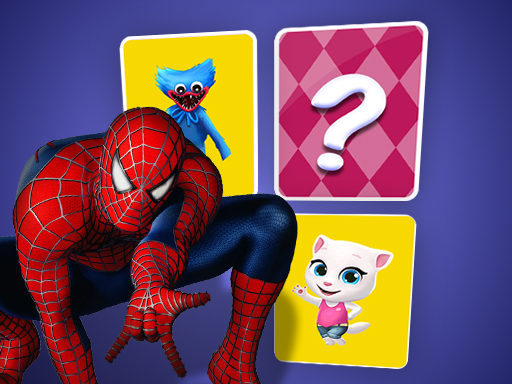
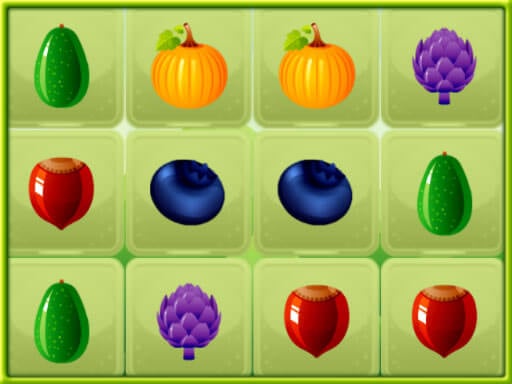


Getting Into easy crazy match 3 games games
Steadily swap adjacent tiles to form lines of three or more identical items and clear them from the grid to complete the puzzle match game.
Core Experience
The core loop centers on scanning the grid for potential matches and executing swaps that produce immediate visual feedback and score increments. Players chain matches to create cascading effects that automatically clear additional tiles without further input during the resolution phase. The experience remains consistent through simple mechanics and predictable outcomes that support relaxed, repetitive play without complex planning requirements. This grid matching game delivers tile swap games with a focus on straightforward pattern recognition.
Pro Advice
Focus on creating horizontal and vertical lines simultaneously to maximize the number of tiles cleared in a single move. Instead of rushing, pause briefly to scan the entire grid for the most efficient swap that sets up future matches. Prioritize clearing tiles that block potential match opportunities to maintain a steady flow of available moves throughout the session. This approach applies directly to the stated mechanics and supports consistent performance in the casual match game.
easy crazy match 3 games Facts
Q: What are the typical controls? A: Swapping adjacent tiles to form lines of three or more identical items.
Q: What is the main objective? A: Clear tiles from the grid to score points and trigger chain reactions.
Q: What stated feature defines the session flow? A: Immediate visual feedback and predictable outcomes from every successful swap.
Q: What is the main mechanic? A: Scanning the grid and swapping tiles to create matches and cascading effects.