 CrazyGaming
Anime Games
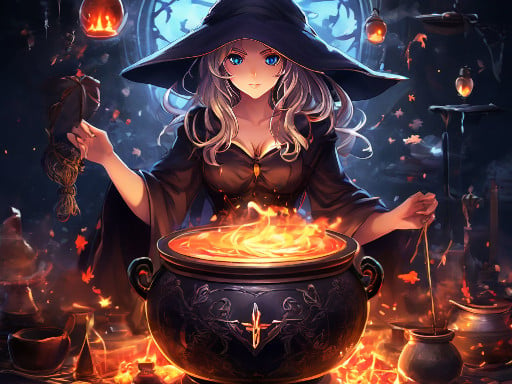
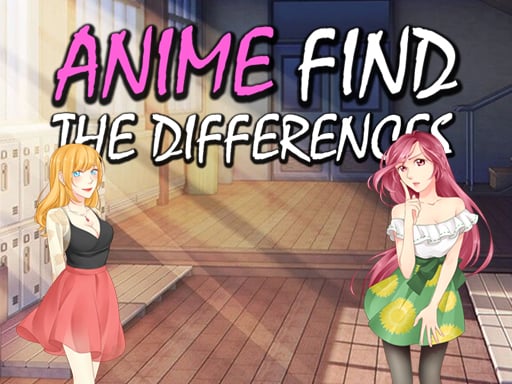
Anime games present a distinct visual style rooted in Japanese animation. They often feature character-driven narratives and stylized art assets. Players engage with systems that reward visual progression and narrative depth. This genre focuses on anime action games as a primary example.

















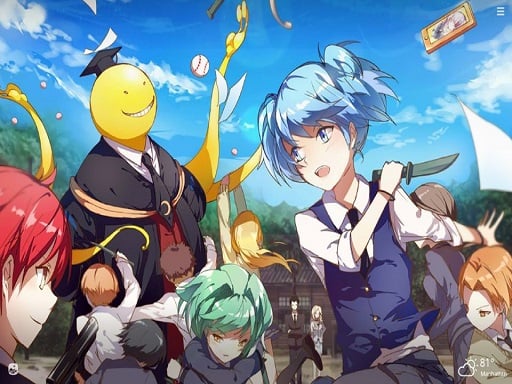
Getting Into Anime games
Typically the player uses simple inputs to navigate menus and combat screens. The objective remains consistent across titles to achieve narrative endings. Players engage in combat or puzzle mechanics using button presses. This structure defines the anime simulation games category.
Core Experience
The core loop involves interacting with the environment and characters to advance the plot. Players often manage resources or character stats to succeed in encounters. Visual feedback is critical for signaling success or failure during gameplay. These systems define the anime fighting games experience. The visual presentation remains a central pillar of the player's engagement. Narrative arcs are typically revealed through text boxes and cutscenes. This reinforces the connection between gameplay and story. The anime dating games genre relies heavily on this interaction model.
Pro Advice
Focus on understanding the specific control scheme before attempting complex actions. Instead of rushing, observe enemy patterns to avoid unnecessary damage. Use the pause menu to review objectives and available items. This approach helps in managing the anime RPG games systems effectively.
Anime Facts
Q: What are the common controls? A: Controls usually involve directional inputs and action buttons.
Q: What is the main objective? A: The objective is to complete the story or defeat opponents.
Q: Is multiplayer a standard feature? A: Not stated as a standard requirement for the genre.
Q: What is the primary mechanic? A: The primary mechanic involves combat or narrative choice selection.