 CrazyGaming
The Ultimate Guide to Fun Table Tennis Games
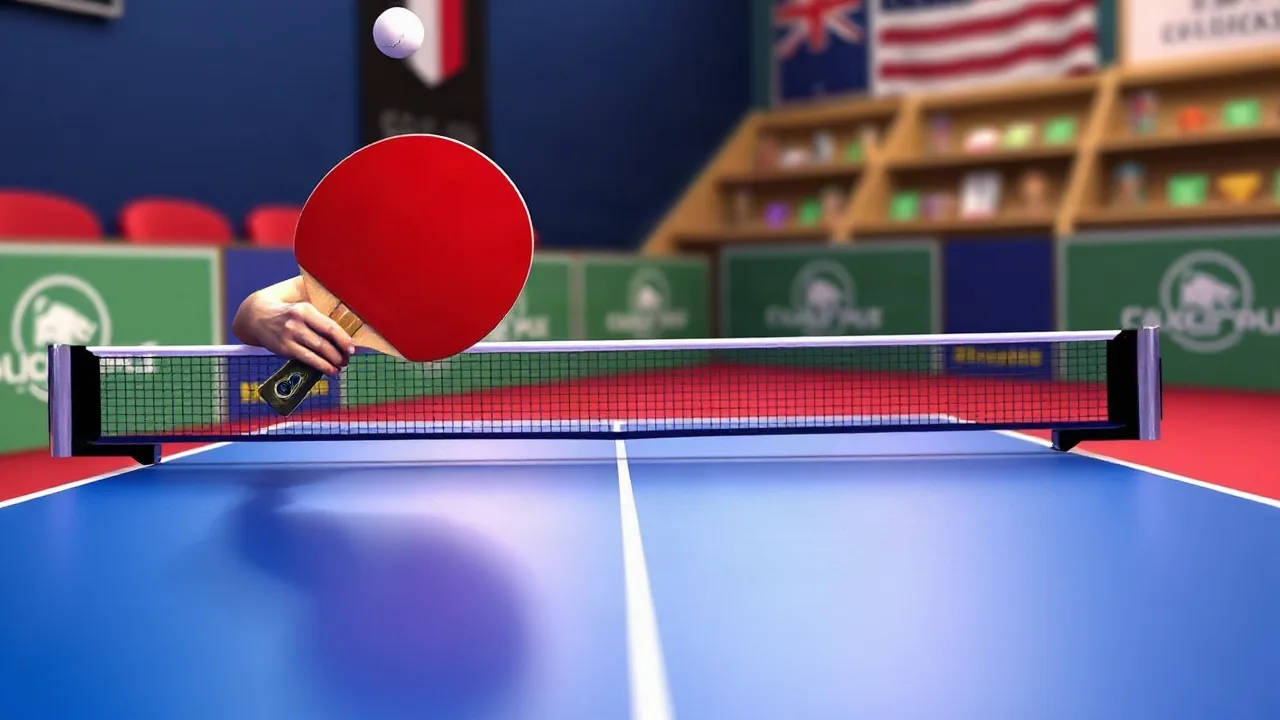
fun table tennis games is a fast-paced digital experience that captures the excitement of the sport in a convenient format. Players can expect quick matches that test reflexes and timing, offering a perfect way to unwind during a break. This page serves as your go-to resource for understanding the mechanics, controls, and strategies involved. Whether you are looking to improve your virtual skills or simply enjoy a casual match, this guide provides everything you need to jump into the action and start winning points.
Mastering the Virtual Paddle
Success in these digital matches relies heavily on understanding the core mechanics. Unlike physical sports, the digital version requires precise mouse or keyboard inputs to simulate the angle and power of a real paddle. You will need to focus on the timing of your swings to return the ball effectively. The physics engine usually mimics real-life momentum, meaning the speed of the ball increases as the rally continues. Learning to anticipate the ball's trajectory is the first step toward becoming a champion.
The controls are generally intuitive, allowing new players to pick up the game quickly. However, mastering the nuances of spin and placement takes practice. You might find that moving your paddle slightly before impact changes the direction of the return. Experimenting with different positions on the court will help you find the optimal stance for defending against fast serves. Keep your eyes on the ball at all times to avoid being caught off guard by a sudden change in direction.
Understanding Digital Ping Pong Mechanics
The physics of digital table tennis are designed to be accessible yet challenging. The ball usually travels in a parabolic arc, affected by gravity and the force of your hit. Some versions include advanced spin mechanics where hitting the ball off-center can cause it to curve in the air. Mastering these physics is essential for competitive play. You need to gauge the distance between the paddle and the ball to execute a perfect return. As you progress, the speed of the ball often increases, requiring faster reaction times and sharper focus.
Defensive play is just as important as offensive maneuvers. Blocking a fast shot requires steady nerves and precise positioning. If you try to hit the ball too hard every time, you might miss the table entirely. A balanced approach, mixing defensive blocks with powerful smashes, is usually the best strategy. Pay attention to the opponent's paddle angle, as it often gives a clue about where the ball will land next. Developing a rhythm in your returns can disrupt the opponent's timing and force them into making mistakes.
Essential Controls and Techniques
Most browser-based versions of this sport rely on simple input methods. You typically use the mouse to control the paddle's horizontal position and click to swing. Some advanced versions might utilize keyboard arrows for more precise movement. The key is to keep your hand steady and avoid jerky movements. Smooth tracking of the ball allows for more accurate returns. If the game supports it, try to vary your shot placement. Hitting to the corners forces the opponent to move, opening up the center of the table for a winning shot.
Timing is the most critical factor in executing successful techniques. Hitting the ball too early or too late can result in a net or an out-of-bounds error. Watch the ball's shadow on the table to better judge its landing spot. When serving, try to vary your speed to keep the opponent guessing. A slow, spinning serve followed by a fast smash can be a very effective combination. Remember that patience is a virtue; waiting for the right moment to strike often yields better results than rushing.
Strategies for Winning Matches
Winning consistently requires a mix of aggression and patience. One effective strategy is to target the opponent's backhand side, which is often weaker in digital simulations. By consistently hitting to one side, you can force a weak return that sets you up for a smash. Another tactic is to change the pace of the game. Alternating between slow, high-arcing shots and fast, flat drives keeps the opponent off balance. Do not be afraid to experiment with different strategies to see what works best against specific AI patterns or human opponents.
Observation is a powerful tool in your arsenal. Pay close attention to how the opponent reacts to different types of shots. If they struggle with high balls, use more lobs. If they are slow to react to the corners, aim your returns there. Anticipation is key; try to predict the next move based on the current rally. The more you play, the better you will become at reading the game flow. Remember that a single point can change the momentum of the entire match, so stay focused until the very end.
| Feature | Details |
|---|---|
| Gameplay Style | Fast-paced arcade simulation |
| Controls | Mouse tracking and click timing |
| Session Pace | Quick rounds, high intensity |
| Device Fit | Desktop and tablet friendly |
| Category Focus | Sports and reaction skills |
Improving Your Reaction Time
Table tennis is a game of milliseconds. To improve your reaction time, focus on minimizing distractions in your environment. Ensure your screen brightness is comfortable and your mouse sensitivity is set to a level that allows for quick, accurate movements. You can also practice by playing short, intense sessions to train your brain to process visual information faster. Over time, you will notice that your hands move instinctively to where the ball is going, rather than where it currently is. This predictive ability is what separates beginners from experts.
Physical posture also plays a role in your performance. Sitting in a comfortable, upright position allows for better arm movement and reduces fatigue. Keep your wrist loose to allow for fluid paddle adjustments. Tensing up can lead to stiff movements and missed shots. Take short breaks between long sessions to keep your reflexes sharp. Staying hydrated and well-rested can also have a surprising impact on your gaming performance. A sharp mind leads to sharp reflexes.
Why Digital Table Tennis is Popular
The popularity of these games stems from their accessibility and instant gratification. You can jump into a match within seconds without needing equipment or a partner. This accessibility makes it a staple in many online game collections. The games are easy to learn but hard to master, providing a satisfying challenge for players of all skill levels. The competitive nature of the sport, even in a digital format, triggers a desire to improve and beat high scores. It is a timeless genre that continues to attract new fans.
The social aspect also contributes to the appeal. Many versions allow you to play against friends or other players worldwide. Competing against a human opponent adds a layer of unpredictability that AI cannot always replicate. The thrill of outsmarting a real person and winning a close match is a unique reward. Additionally, the short match duration fits perfectly into modern lifestyles where people often have limited time for entertainment. It is the perfect game for a quick burst of fun.
Finding the Best Online Games
Finding a high-quality version of the game is crucial for a good experience. Look for titles that offer smooth animations and responsive controls. Lag or stuttering can ruin the experience, so a well-optimized game is worth its weight in gold. Many platforms offer a variety of related games, allowing you to explore different takes on the sport. Some focus on realistic physics, while others go for an arcade style with exaggerated effects. Exploring a game library can help you find the specific style that suits your preference.
When browsing for games, pay attention to user reviews and ratings. These can give you insight into the game's quality and any potential issues. A good game should load quickly and run smoothly on your device. Whether you prefer a serious simulation or a casual arcade experience, there is likely a version out there for you. The best online games are those that are easy to access and provide consistent entertainment. Start your search today and find your new favorite.
FAQ
**How do I control the paddle in these games?** Most games use the mouse or trackpad to move the paddle left and right. You simply hover over the ball and click to hit it. Some games might use keyboard arrows for movement, but mouse control is the standard for browser-based versions.
**Are these games difficult to learn?** No, the basic mechanics are very simple. You can usually understand how to play within the first few seconds. However, mastering the timing and advanced strategies takes practice and patience.
**Can I play against the computer?** Yes, almost all versions feature a single-player mode against an AI opponent. The computer usually has adjustable difficulty levels, allowing you to start easy and increase the challenge as you improve.
**Do I need to download anything?** No, these are typically browser games that run directly in your web browser. You do not need to download or install any software to play