 CrazyGaming
The Ultimate Guide to Becoming a Hiding Master
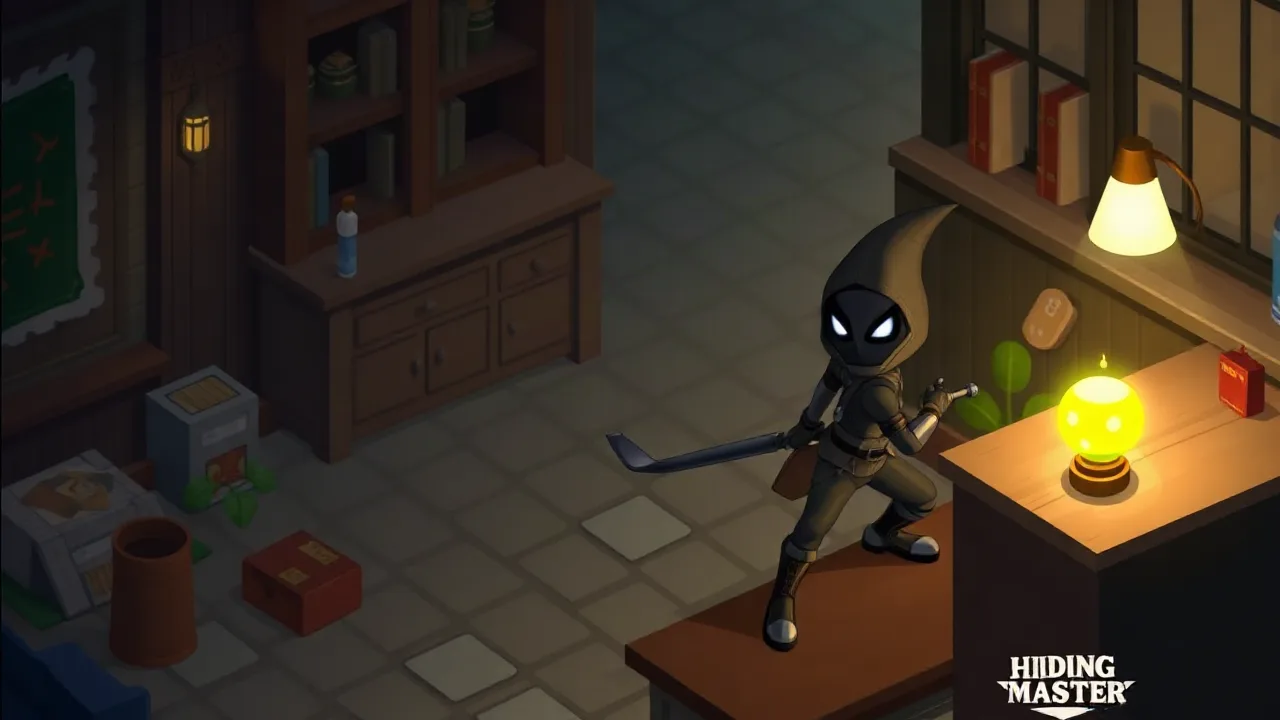
Hiding Master is a browser-based challenge that tests your observation and stealth skills in a series of cleverly designed levels. Players must locate hidden objects or characters within complex scenes, often against a timer or with limited hints. This guide is designed to help you understand the core mechanics, develop effective strategies, and master the art of finding even the most elusive items. Whether you are new to this type of puzzle game or looking to improve your high score, you will find practical advice to enhance your gameplay experience.
Core Gameplay Mechanics and Objectives
The primary goal in Hiding Master is to carefully scan each environment to find all the specified targets. The game rewards patience and a methodical approach. Each level presents a unique setting with multiple layers of detail, making some items blend seamlessly into the background. You will often need to interact with the scene, clicking on objects to move them or reveal hidden compartments. The difficulty typically increases as you progress, with more items to find, less obvious hiding spots, and stricter time limits.
Developing a Keen Eye for Detail
Success relies heavily on your ability to notice small discrepancies. Train yourself to look for slight color variations, unusual shadows, or objects that seem out of place. A useful technique is to scan the screen in a systematic pattern, such as from top to bottom or left to right, rather than randomly searching. This ensures you do not overlook any section of the scene. Sometimes, the solution involves more than just looking; you may need to click on multiple related items in a specific sequence to trigger the reveal.
Mastering Time Management
Many levels operate under a time constraint, adding a layer of pressure to your search. To manage this effectively, avoid fixating on a single difficult item for too long. If you are stuck, quickly move on to scan other areas; you might find the easier targets first, which can reduce stress and sometimes provide a clue to the harder ones. Learning the common hiding patterns from earlier levels can also help you make educated guesses about where to look next, saving valuable seconds.
Utilizing Hints and Power-Ups Wisely
The game may offer hints or power-ups to assist you. These are valuable resources, so use them strategically. A hint is best reserved for when you are genuinely stuck on the final item with time running out, rather than for the first object you cannot immediately locate. Some power-ups might temporarily highlight interactive areas or freeze the timer. Understanding when each tool is most effective will prevent you from wasting them on simpler challenges.
Advanced Strategies for Complex Levels
As you advance, levels will incorporate more sophisticated puzzles. You might need to solve a mini-riddle presented in the scene or manipulate the environment in a specific order. Pay close attention to any visual or audio cues that stand out. Sometimes, an item's location is hinted at by a related object nearby. For example, a key might be hidden near a locked box. Thinking contextually about the scene can provide the breakthrough you need.
| Feature | Details |
|---|---|
| Gameplay Style | Point-and-click puzzle, hidden object search |
| Primary Objective | Find all hidden targets within each scene |
| Session Pace | Variable; can be relaxed or time-pressured |
| Device Fit | Optimized for browser play on desktop and mobile |
| Core Challenge | Observation, pattern recognition, and puzzle-solving |
Improving Your Search Patterns
Developing a consistent search pattern is crucial for efficiency. Consider dividing the screen into mental quadrants and clearing each one before moving to the next. Another method is to focus first on prominent foreground objects before examining the background details. Over time, you will learn to quickly identify areas of a scene that are most likely to contain interactive elements versus those that are purely decorative. This skill significantly speeds up your search process.
Learning from Level Design
Pay attention to how each level is constructed. The designers often use visual tricks like camouflage, size variation, and misdirection. Items might be scaled down to appear as part of a larger pattern or colored to match their surroundings perfectly. Recognizing these techniques helps you anticipate them in future levels. If an area looks unusually cluttered or, conversely, suspiciously empty, it is often worth investigating more closely.
Building Patience and Persistence
Some items are intentionally difficult to find. Rushing will only lead to frustration and missed clues. It is important to stay calm and take short breaks if you feel your focus waning. A fresh pair of eyes can often spot what you have been overlooking. Persistence is key; each attempt teaches you more about the game's logic and the developers' creative hiding methods.
Exploring the Game Collection
Hiding Master is an excellent example of the engaging browser games available online. If you enjoy this type of challenge, you might want to explore a wider game collection to find similar titles that test your observation and logic. Many platforms offer a curated game catalog where you can discover related games based on your preferences. Playing a variety of hidden object and puzzle games can further sharpen the skills you use here.
Frequently Asked Questions
How do I get better at finding hidden items quickly?
Improvement comes with practice and strategy. Start by training your eye to notice small details and inconsistencies. Use a systematic scanning method, like sweeping your view from one corner to the opposite corner. Avoid random clicking, as this is inefficient. Over time, you will recognize common hiding spots and visual tricks used by the developers, which will naturally increase your speed.
Are there any controls beyond clicking?
While the primary interaction is clicking, some levels may incorporate simple drag-and-drop mechanics or require you to click on multiple objects in a sequence. Pay attention to any on-screen prompts or visual cues that suggest an object can be moved or is part of a multi-step puzzle. The controls are generally intuitive and designed for easy access in a browser environment.
What should I do if I am completely stuck on a level?
If you cannot find the last item, first try changing your perspective by taking a short break. When you return, start your search again from the beginning with a fresh approach. Use any available hints sparingly, as they are limited. You can also try clicking on areas that seem interactive but not obviously so; sometimes, the trigger is subtle. Remember, the solution is always within the scene, so careful observation will eventually pay off.
Is this game suitable for all ages?
Yes, Hiding Master is generally suitable for a wide audience. The gameplay focuses on observation and puzzle-solving without violent or complex narrative content. It serves as a fun mental exercise that can be enjoyed by players looking for a casual yet challenging experience. The increasing difficulty ensures it remains engaging for both younger players and adults.