 CrazyGaming
Parkour Rush: Ultimate 3D Arcade Running Challenge
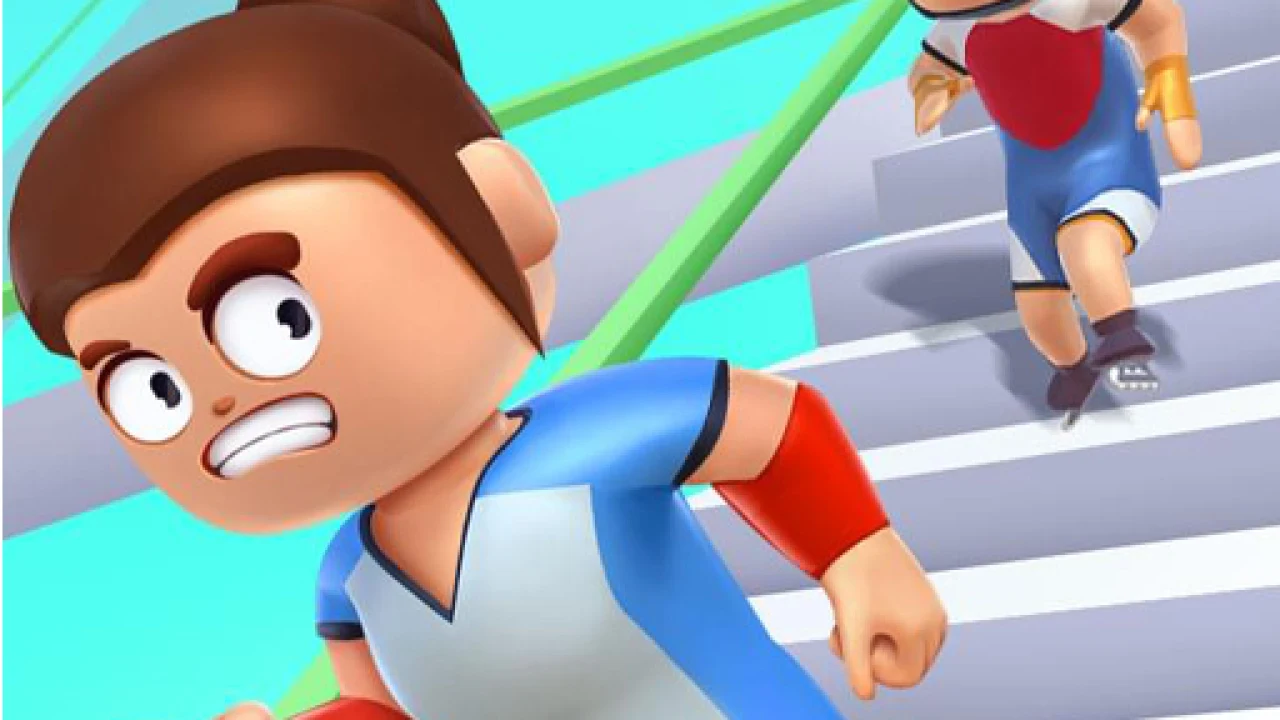
Dive into a fast-paced world of vertical movement and reflex challenges where every jump, slide, and wall run counts. This high-energy arcade experience delivers crisp 3D visuals, responsive controls, and a progression loop designed for short bursts of play that still feel rewarding. Whether you are chasing leaderboard glory or just warming up, the mechanics encourage experimentation and mastery.
Experience the fast-paced thrill of Parkour Rush, an exciting entry in the Arcade Games category that blends high-energy movement with simple, addictive mechanics. Perfect for fans of hypercasual and 3D Games, this running and parkour title delivers quick, engaging sessions that challenge reflexes and timing, making it a must-try for anyone seeking immediate action and fun.
The core loop is simple to learn but hard to put down. You sprint forward, chain jumps, vault obstacles, and ride walls to keep momentum. Each run is a timing puzzle where the best path is not always the most obvious. Speed builds naturally as you stick perfect landings, and the camera keeps the action readable so you can plan the next move in a split second. The result is a flow state that rewards clean execution and quick decisions.
Controls are tuned for immediate feedback. Jumping feels light, landing is forgiving, and sliding fits into narrow gaps without awkward delays. The level layout supports multiple routes, so you can choose safer lines or risky shortcuts that test your nerve. Because the game emphasizes forward motion, you rarely stop to think; you react, adapt, and push ahead.
Hypercasual Flow With Arcade Depth
As an arcade-leaning hypercasual title, it keeps onboarding friction low while still offering depth for dedicated players. Early stages teach the basics, but later sections introduce layered obstacles that require precise timing and smart route selection. The difficulty curve is friendly to newcomers yet challenging enough to keep experienced runners engaged. This balance makes it easy to jump in for a quick session and still feel like you are improving.
Visual clarity supports the fast pace. Obstacles stand out against the environment, and readable cues help you anticipate jumps and slides. The game avoids clutter, which lets you focus on movement rather than hunting for the next interactive element. That clarity is a big part of why runs feel fair even when they end suddenly.
Level Design, Obstacles, and Flow
Level design is built around momentum. Platforms line up to encourage continuous movement, and hazards are placed to punish hesitation. You will encounter gaps, barriers, and vertical sections that test your ability to switch between jumping, sliding, and wall running without losing speed. The best routes often mix risky edges with safer detours, giving you a meaningful choice between consistency and speed.
Environmental variety keeps runs visually fresh and mechanically interesting. Some areas favor vertical climbing, others open up into long stretches where timing is everything. The game introduces new obstacles gradually, so your skill grows alongside the challenge. By the time you reach tougher sections, you have the tools to handle them—you just need the reflexes to execute.
Controls, Camera, and Accessibility
Responsive controls are the backbone of this experience. Inputs register instantly, and the animation system communicates weight and momentum clearly. The camera is tuned to show upcoming obstacles without feeling jarring, which helps you plan ahead at speed. Accessibility options are streamlined, keeping the focus on movement while avoiding unnecessary complexity.
For players who want to refine their technique, small adjustments make a big difference. Experiment with jump timing, practice slide windows, and learn how to chain wall runs without losing balance. The game rewards consistency, and even minor improvements in route choice can shave seconds off your best times.
How to Play and Improve Your Runs
Start with a steady pace and focus on clean landings. Rushing too early can cause missed jumps and awkward recoveries, which cost more time than a slightly slower approach. As you learn the layout, look for opportunities to cut corners or skip obstacles by combining a jump with a slide. Wall runs are great for maintaining momentum in vertical sections, but you need to commit to the angle or risk sliding off.
Practice builds intuition. Replay levels to spot alternative paths and study how the camera frames upcoming hazards. Short sessions are perfect for sharpening reflexes, and you will notice small gains quickly. Over time, you will recognize patterns and make split-second decisions that keep your run smooth and fast.
Visuals, Performance, and Feel
The game leans into a clean 3D style that prioritizes readability and performance. Textures are crisp, colors are readable, and the environment is designed to highlight the path forward. Performance is smooth even on modest hardware, which keeps inputs tight and animations fluid. That stability matters when a single frame can be the difference between a perfect landing and a crash.
Sound effects reinforce the action without overwhelming it. You will hear cues for jumps, slides, and landings, which help you time inputs even when the screen is busy. The overall presentation is focused on clarity and pace, so you can stay locked into the run.
Why Players Keep Coming Back
Replay value comes from the pursuit of cleaner routes and better timing. Each run feels slightly different, and small improvements are easy to see and measure. The game encourages personal growth rather than gating progress behind complex systems, so your skill is the main driver of success. That purity keeps sessions engaging and makes every near-miss a learning opportunity.
Leaderboard chasing adds friendly competition without pressure. You can compare your results, study your own replays mentally, and push for incremental gains. The short run format means you can squeeze in a few attempts anytime, which fits well with busy schedules.
Play Now
Ready to test your reflexes and find the fastest line? Jump in and start your run today with Parkour Rush and see how far your momentum can take you.
FAQ
Is this game easy to learn? Yes, the basics are simple and the controls are responsive. You can pick up the core mechanics quickly and start improving right away.
Does the game get harder over time? The difficulty increases gradually as you progress. New obstacles and layouts appear, and your timing needs to be tighter to keep up.
Can I play in short sessions? Absolutely. Runs are designed to be quick and replayable, so you can jump in for a few attempts whenever you have time.
Are there different ways to complete a level? Yes. Levels often offer multiple routes, and choosing between safer lines and risky shortcuts is part of the challenge.
What should I focus on to improve? Focus on clean landings, smart slide timing, and maintaining momentum through wall runs. Small improvements in route choice add up quickly.