 CrazyGaming
Animate.Space: Create Animated GIF! for Design and Stickman Fun
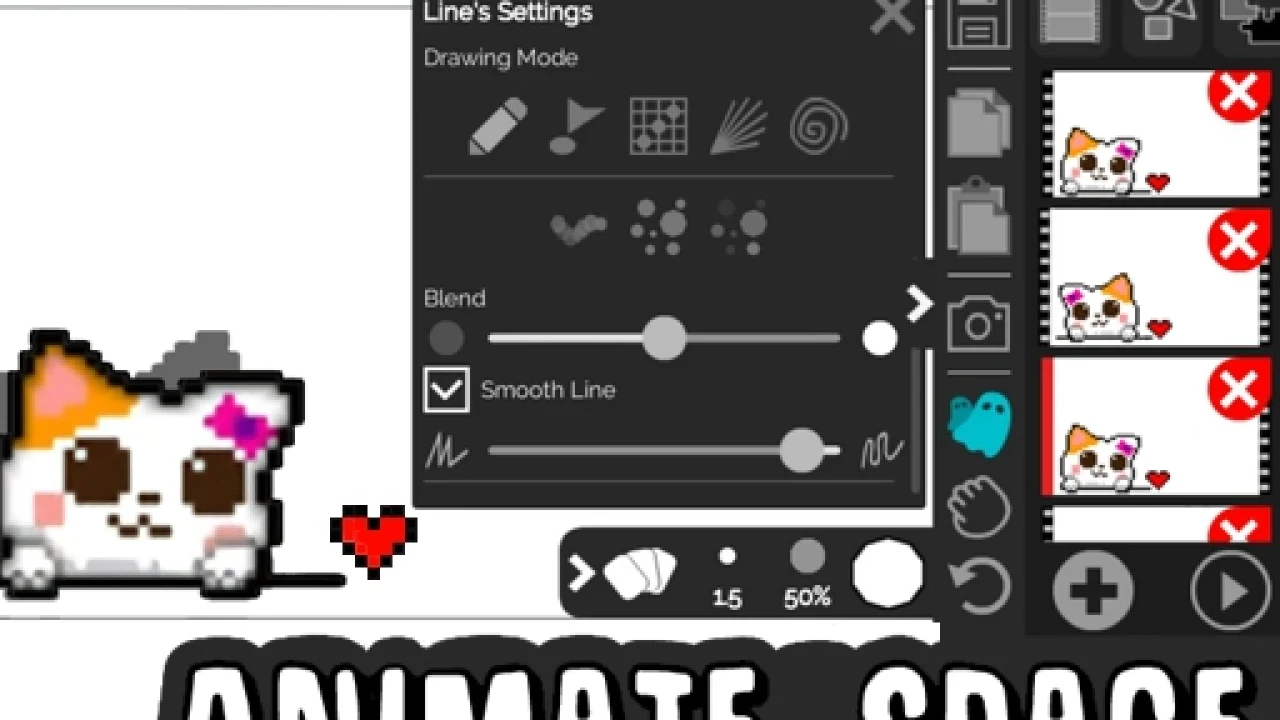
Step into a creative playground where your imagination drives every frame and brings characters to life with simple, satisfying motion. This playful action game invites you to design, draw, and animate stickman sequences with intuitive controls and a smooth workflow that rewards experimentation. Whether you are crafting a quick gag or building a longer story, the tools are approachable yet deep enough to keep you engaged as you refine your style and timing.
For players who enjoy fast-paced Animate.Space: Create Animated GIF! action games, this title blends creative design with energetic stickman gameplay, offering a unique mix of drawing mechanics and cartoon network style visuals that encourages experimentation and keeps fans of creative genres engaged.
The core experience centers on drawing stick figures and animating them in a timeline-based editor that feels immediate and responsive. You can sketch frames, adjust timing, and preview your work in real time, making it easy to iterate and discover what looks best. The action tag reflects how movement and timing are central to success, as you choreograph jumps, flips, and playful sequences that read clearly and feel satisfying.
Because the game leans into design and drawing fundamentals, it rewards clean lines, clear silhouettes, and purposeful motion. It is friendly for beginners but offers enough depth for returning players who want to experiment with easing, spacing, and sequence flow. The result is a creative loop that stays fun: draw, preview, tweak, and share.
Getting Started: Tools and Workflow
Start by selecting a frame and sketching your first stickman pose. Keep shapes simple and readable, focusing on the head, torso, arms, and legs. Use the timeline to add the next frame, then draw the adjusted pose. The magic happens when you preview, because you can immediately see how your drawings connect through motion. This fast feedback loop helps you learn what works and what needs polishing.
Build a habit of planning your sequence before drawing every frame. Rough out the major poses first, then fill in the in-between frames. This approach keeps your animation organized and ensures the motion reads well. As you get comfortable, experiment with timing variations to add personality and punch to your stickman actions.
Design Tips for Stickman Animation
Great stickman animation starts with strong poses. Think about balance, weight, and silhouette so the character reads clearly even in motion. Keep the head and hands visible, and exaggerate the limbs slightly to emphasize action. Use overlapping action so arms and legs move at slightly different times, creating a natural flow.
Focus on timing and spacing. Quick movements benefit from fewer in-betweens and snappier transitions, while slower actions need more frames and smoother arcs. Add anticipation and follow-through to make actions feel grounded. A small wind-up before a jump and a gentle settle after landing can transform a simple sequence into something lively and believable.
Exploring Cartoon-Inspired Styles
The game’s playful vibe pairs well with cartoon-inspired timing and shapes. Think about squash and stretch to give your stickman a sense of energy, even with minimal detail. Use bold arcs for swings and jumps, and keep the motion path clear so the viewer’s eye tracks the action easily. The Cartoon Network tag hints at the kind of lively, readable motion that makes this style fun to watch.
Try themed sequences that match a mood or setting. A comedic slip, a dramatic leap, or a fast chase can all work with stickman designs. Keep the staging simple and let the motion do the talking. With a few well-chosen poses and smart timing, you can create scenes that feel punchy, expressive, and memorable.
Play Now and Start Creating
Ready to jump in and start animating? You can play directly in your browser and begin designing sequences right away. The controls are straightforward, and the workflow is built to keep you focused on creativity instead of complicated menus. Click here to launch the game and start drawing your first animated stickman scene: Animate.Space: Create Animated GIF!
Set aside a few minutes to try the basics, then build a small project that makes you smile. Whether it is a single bounce or a multi-scene story, the goal is to have fun while learning the fundamentals of motion and design. The more you animate, the more natural the process becomes.
Finding Your Creative Rhythm
Consistency helps you improve faster. Try animating for short sessions and focusing on a single skill each time: arcs, timing, spacing, or posing. Keep a small library of your favorite sequences so you can revisit them and see your progress. When you hit a wall, step back and watch your animation with fresh eyes, then adjust the timing or simplify the pose.
Use the preview function to test ideas quickly. Small changes can have a big impact, so iterate often. As you develop your style, you will start to recognize which motions feel best for different actions. This rhythm of draw, preview, and refine is the heart of the creative loop.
FAQ
Is this game easy for beginners? Yes. The drawing tools and timeline are designed to be approachable, and the immediate preview makes it easy to learn by doing. Start with simple poses and build up to more complex sequences as you gain confidence.
Do I need any prior animation experience? No prior experience is required. The game encourages experimentation, and the basics of timing and posing are explained through practice. You will improve naturally as you animate more sequences.
Can I create longer stories or just short loops? Both work well. Short loops are great for learning and sharing, while longer stories let you explore character performance and scene composition. Choose the scope that matches your time and goals.
What makes stickman animation fun? Stickman designs are simple and expressive, which lets motion take center stage. Clear silhouettes and readable poses help the action communicate instantly, making every movement feel impactful.
How do I improve quickly? Focus on the fundamentals: strong poses, clear arcs, and thoughtful timing. Use the preview often, iterate on your sequences, and keep your projects small so you can finish them and learn from each one.